
|
 |
The state of the tech industry in 2026
A look into what has changed, what’s still the same – and what’s broken – in the tech industry. The full video and the summary of my keynote at LDX3 New York
|

| |||||||||||||||


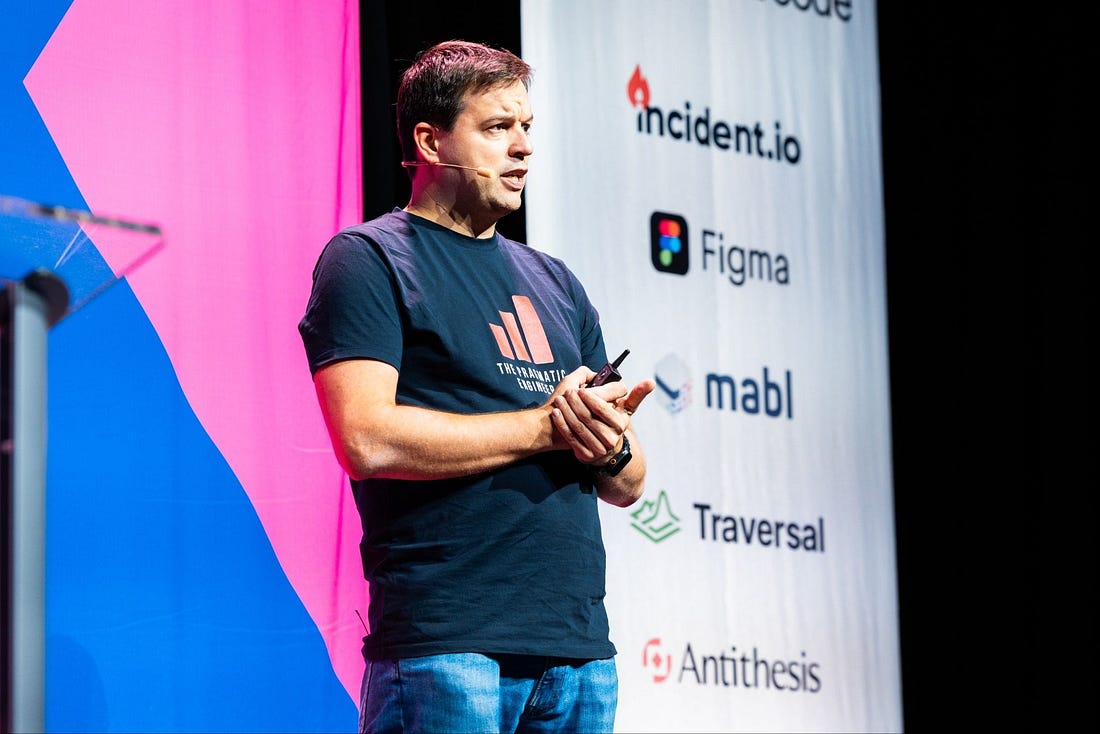
I recently delivered the keynote at the LDX3 engineering leadership conference in New York, attended by 2,000+ engineering leaders, CTOs, Director+ and Staff+ engineering folks, in which I attempted to create a snapshot of where the tech industry is at this exact point.
 |
It came after I had the chance to visit the AI labs OpenAI and Anthropic, meet innovative startups like Ramp, Uber and others, get new, unpublished data from GitHub, Factory AI and Linear. Thanks to the kind access to these teams!
Before the conference, I spent weeks identifying and recording trends that didn’t exist a year ago – or were much more nascent back then – and also things that are currently broken, and others that remain unchanged. Today, we cover:
Speed of change. In the tech industry, change has never been this large-scale, this fast. Industry legend Martin Fowler confirms.
What’s changed: practically nobody writes code by hand anymore, working with 5-10 agents more common, the fading of the IDE, and 13 more changes from the last year.
What’s broken: assumptions about code output broke, code reviews became theatrical, quality and reliability is down, and more.
What’s still the same: teams are still important, as is planning; non-engineers are still not shipping code, and more.
What comes next? Cloud coding agents and harnesses, engineers to stop reading the code, companies building a new type of AI infra, and more are already starting, and should accelerate.
You can watch the full talk, which is 29 minutes long:
The bottom of this article could be cut off in some email clients. Read the full article uninterrupted, online.
1. Speed of change
People in tech are more than used to change; seeing the internet go from zero to everywhere, the arrival of mobile communications and smartphones exploding in popularity, cloud computing rising from a niche concern, and the development of programming languages like Go and Rust, and frameworks like React (web) and Jetpack Compose (Android).
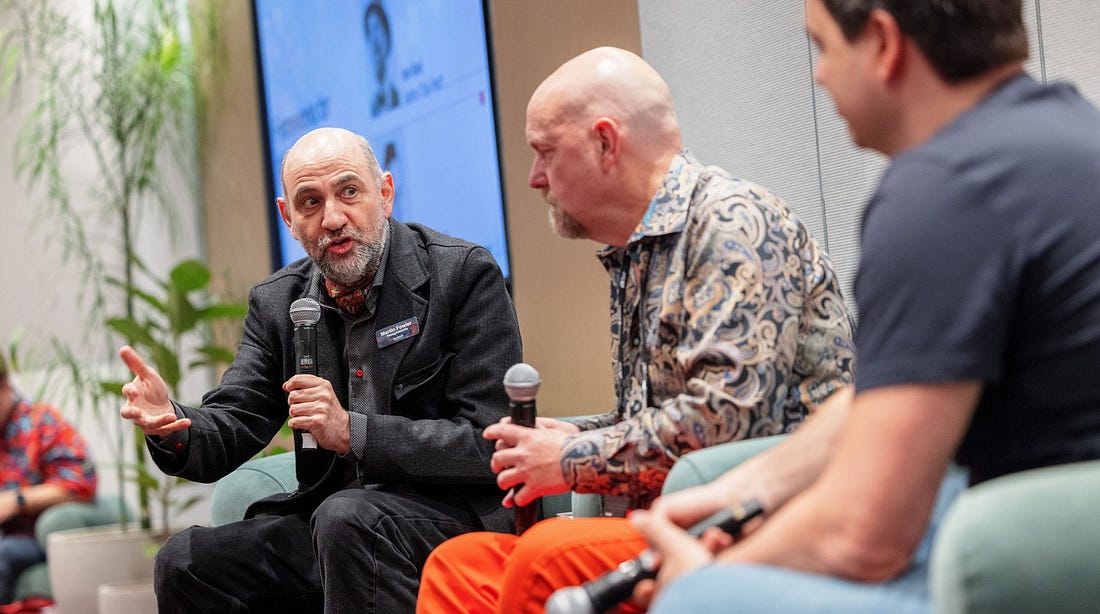
Despite this, the scale and pace of the impact AI is having at present is still without precedent. That’s how industry veteran Martin Fowler described it at The Pragmatic Summit:
“Nothing has hit with the magnitude of AI. This is a whole size difference from anything that we’ve faced before.
On a smaller scale, we were very much involved in the growth of object-oriented languages. [object-oriented languages] scared a lot of people, but it didn’t scare us so much because we were part of it.
The internet had a huge impact upon us all. And, of course, we were spreading the challenge of agile software development. [Agile] had a very big impact on a lot of organizations because you could tell by how hard they resisted it.
But [for all those other changes] we kept talking about how important they were and how valuable they were and trying to persuade people of the importance of them. It may sound surprising, but even for the internet, there were people who wouldn’t think that was important!
For AI there’s no argument about how important it is. You cannot put blinkers on to deny the importance of this thing.”
 |
My own take is similar; we are without doubt at the beginning of a massive technological transformation, and after it, software will be built differently from how we’ve been doing for decades, although some parts of development will remain the same. At the very least, the tooling and best practices will look different, and things are changing faster than ever.