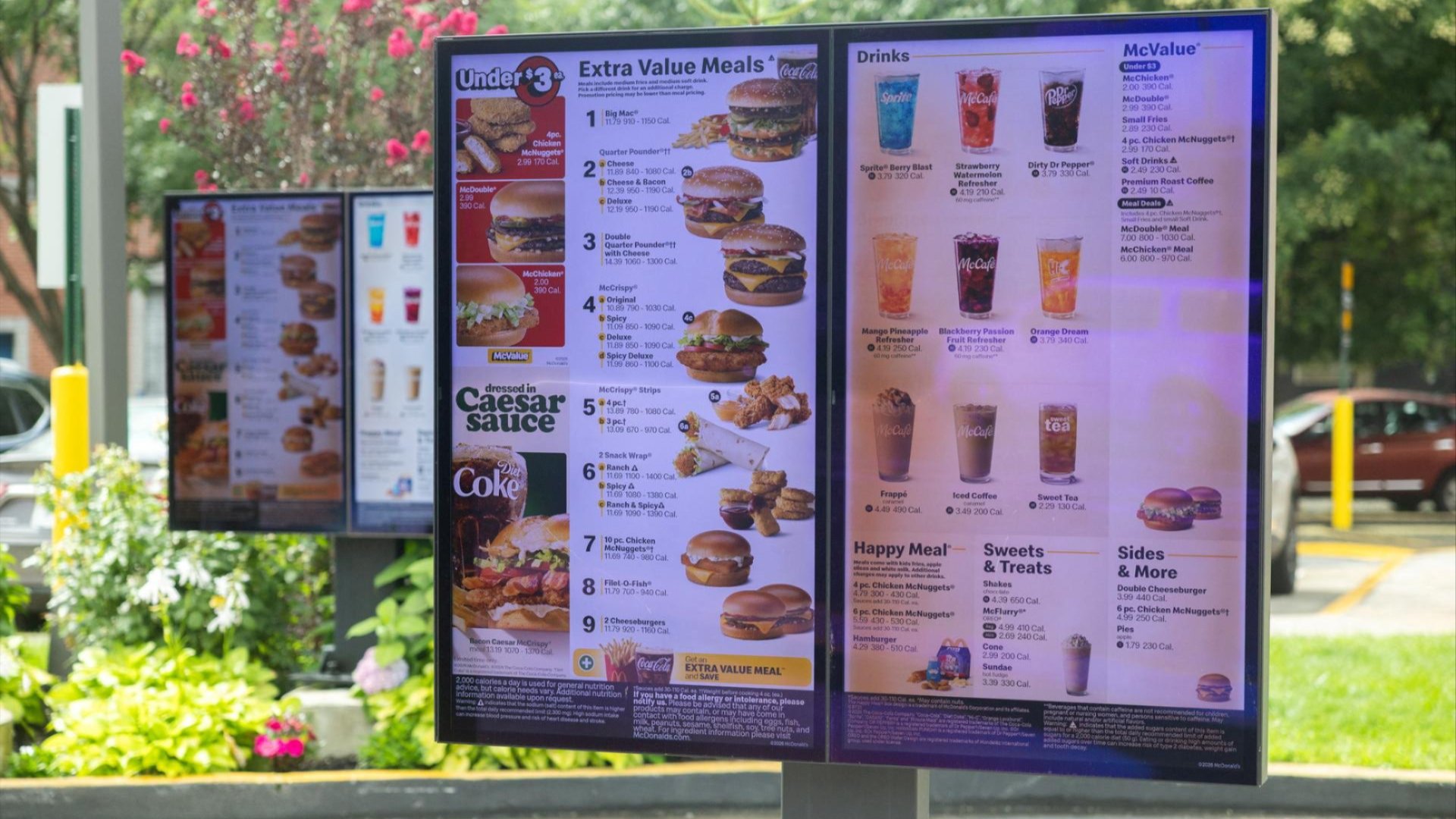
A proposed class action filed in federal court in Chicago claims McDonald's uses an AI-powered pricing system to illegally coordinate menu prices across its franchises and company-owned restaurants. The suit says the company uses data "to nickel-and-dime consumers down to the last French fry." McDonald's says its franchisees set their own prices and that "AI does not set the price of a Big Mac or any other menu item." Read the complaint.
Why it matters
This is the first major case to bring algorithmic pricing antitrust claims against a franchise business. Similar suits are already pending against hotels, landlords and health insurers. Courts are still working out how decades-old antitrust laws apply to software that lets companies share and adjust prices instantly.
Hotels: Courts are split. In July, the 3rd Circuit revived a lawsuit claiming Atlantic City casino-hotels used shared software to push up room rates. The court said algorithms can close the communication gaps that used to make collusion hard. The 9th Circuit rejected similar claims against Las Vegas Strip hotels last year, and the U.S. Supreme Court declined to hear the consumers' appeal in April.
Rentals: Consumers and some state attorneys general accuse RealPage and major landlords of using its tools to inflate rents. The companies deny it, but some owners have settled for tens of millions of dollars. Last month, a federal judge blocked New York City from enforcing its first-of-its-kind ban on algorithmic rent-setting after RealPage argued the law violated its First Amendment rights.
In the McDonald's case, NYU antitrust scholar Daniel Francis says a key question will be how independent the franchisees really are. This probably won't be the last fast-food fight, either. Other restaurant companies, including Yum Brands, are starting to use AI for pricing, too.
Mike Scarcella has more here.