|
|
 
| |
 |
| (SmileStudioAP/Getty Images) |
Microsoft has alerted IT administrators that starting in 2027, older Windows devices risk losing access to Windows Update services if they do not receive crucial certificate updates. Devices running outdated or unsupported Windows versions must upgrade or install specified security updates before the mid-2027 deadlines to maintain their ability to receive updates. Modern devices with current certificates are not affected, but those using expiring certificates will be unable to connect to Windows Update until updated.
|
|
|
|
|
Get ready to shape the future of CX on October 13th! Create your own path with 15+ sessions on AI, experimentation, data & more. Hear from leaders at Crocs, Microsoft, Paramount, and TaxSlayer, and join 1,000+ digital leaders in NYC or online. Virtual attendees entered to win Ray-Ban Meta glasses! Sign up now » |
|
|
|
| ADVERTISEMENT |  |
|

|
Microsoft will introduce support for third-party deepfake detection and impersonation protection in Teams meetings, with general availability expected in November. The updates allow organizations to enhance meeting security by detecting synthetic audio and video and identifying potential impersonation attempts. The move is part of broader security improvements for Teams, which also include features such as external user blocking and QR code blurring.
|
|
|
|
|
To ensure seamless customer experiences, retailers must start with refined data management. A recent webinar featuring leaders from Toshiba, Feedonomics, and Stibo Systems uncovered why trusted data is your greatest competitive advantage in the age of AI—and what to do about it. Read the webinar top takeaways |
|
|
|
| ADVERTISEMENT |  |
|

|
Where do factories start when implementing predictive maintenance? It begins with identifying critical equipment, considering factors such as production impact, maintenance history and component replacement costs, writes Andrew Grush. Sensors alone won't help improve reliability, however, as manufacturers must convert data into actionable insights by contrasting current conditions with normal patterns of operation to identify unusual behavior and generate maintenance alerts. For predictive maintenance to work, it's vital to tie these data insights directly into maintenance planning through automated work orders and equipment performance reviews, Grush writes.
|
|
| Got a tip or technique to share? Email us and we'll share it in a future issue of CompTIA SmartBrief. |
|
|
|
Retailers adopt AI rapidly, but data inconsistency stalls scaling. Strategy Mosaic's governed semantic layer unifies siloed platforms into a single source of truth—ensuring dashboards, workflows, and AI models all share consistent data definitions. Download the whitepaper. |
|
|
|
| ADVERTISEMENT |  |
|

|
AI is allowing cybersecurity teams to do more without reducing staff, with CISOs focusing on automating routine tasks and reskilling employees, according to IANS research. However, the technology is also leading to higher costs as vendors add AI capabilities to their products, and CISOs are starting to consider in-house solutions and smaller vendors to manage these expenses.
|
|
|
|
|
The era of simple prompts is over. Explore the five trends driving business transformation in 2026 based on insights from 3,466 global executives. View the trends » |
|
|
|
| ADVERTISEMENT |  |
|

|
Simulation-heavy environments are now central to career and technical education, requiring IT teams to deliver scalable and realistic virtual experiences. While physical labs remain part of the learning process, they are costly and hard to scale, making virtual simulations a more practical solution. By leveraging automation and cloud-based tools, institutions can ensure students gain hands-on, workforce-relevant experiences in a more flexible and accessible manner.
|
|
| |
 |
| (Chance Yeh/Getty Images) |
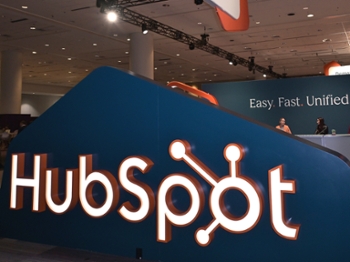
HubSpot is laying off nearly 660 workers, roughly 7% of its staff, and restructuring product teams so each answers for a customer result rather than a single hub, while thinning out management. CEO Yamini Rangan told employees the decision wasn't about AI-driven efficiency or merely saving money. The company expects $65 million to $75 million in related charges, mostly in the final quarter of 2026, according to its Securities and Exchange Commission filing. |
|
Gallup has found that US employees who use AI say the primary benefits are speed and creativity, but the advantages are not evenly distributed. Find out more from the American Job Quality Study.
- Daily and weekly users are much more likely to report benefits than irregular users.
- College graduates and managers are the most frequent users.
- 31% of AI users say their use resulted in being asked to take on more responsibilities.
- 28% of workers use AI at least weekly.
| | | | | |


.png)