The US's controversial deal to buy Russian diesel draws criticism from Ukraine and lawmakers from both parties who say it may even run counter to US law. Ukraine says it's just another carrot for Moscow, when what's needed is a stick. Gram Slattery has more on the Reuters World News podcast.
Eleven sailors were missing at sea from a ship sunk by a drone attack off the coast of Bulgaria, the second deadly sinking of a cargo vessel in the area in a week, prompting Bulgaria to summon Russia's ambassador.
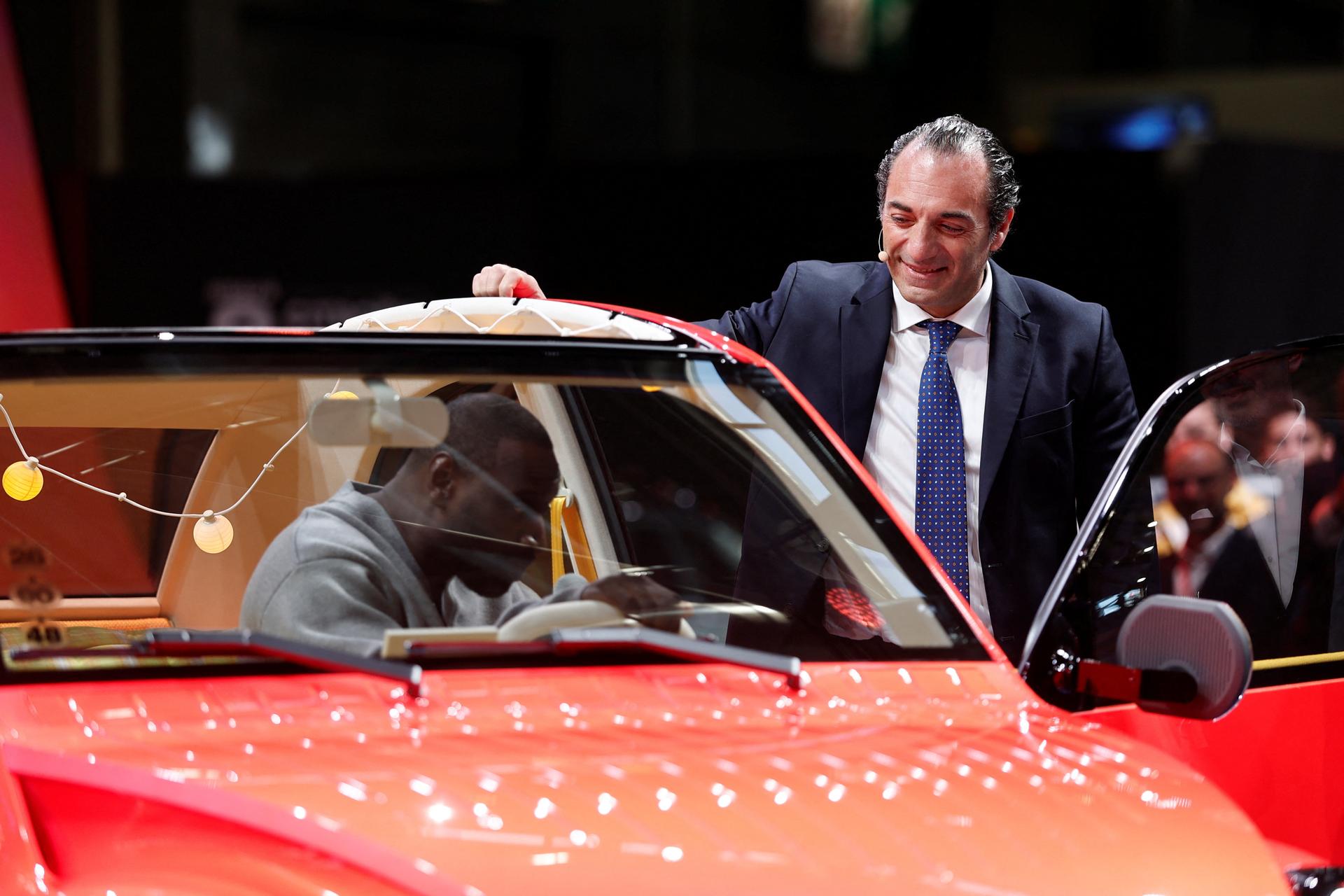
Antonio Filosa, CEO of Stellantis, and actor Omar Sy present the new electric Citroen 2CV concept car at the 2026 Paris Auto Show. REUTERS/Benoit Tessier
Europe's two auto industry bulwarks, Volkswagen and Stellantis, used this year's Paris auto show to signal growing confidence in their electric vehicles, adopting lessons from the Chinese rivals and partners now reshaping their home market.
Anthropic said its experiments suggested small AI models may be months away from being capable enough to self-replicate on commercial internet-of-things (IoT) devices, such as smart ovens and off-brand Android TV boxes.
Banking regulators are stepping up efforts to contain growing AI risks, six people familiar with the matter said, with some pointing to the potential for cyberattacks on banks or rogue agents undermining global financial stability.
Global data traffic depends on a 1.4 million kilometer underwater network that has become a geopolitical battleground. On this episode of The Big View podcast Katja Bego, author of "Deep Connections", tells Peter Thal Larsen why the cables are vulnerable, and whether they can become less so.
People visit an Anthropic booth at Moscone Center during the Dreamforce 2026 technology summit in San Francisco. REUTERS/Carlos Barria/File Photo
Anthropic and OpenAI have sought significant control over what outside evaluators can publish, according to two people familiar with the discussions, amid concerns that findings could reveal trade secrets.
Anthropic CEO Dario Amodei said last month that external evaluators should have the right to publish key findings "without editorial control.” OpenAI agreed days later, saying assessors should have “editorial independence.”
The AI companies are worried that evaluator staff working inside the companies' walls as part of so-called embedded evaluation could take proprietary information to rivals, according to the people, who declined to be named as the matter was private.