When Repairs Need More Than Standard Tools
|
|
Medical equipment repair often becomes difficult when replacement parts are unavailable, CAD files are missing, or a custom tool is needed to access a complex component. In these cases, 3D scanning provides something traditional measuring methods often cannot: a reliable digital starting point based on the real geometry of the equipment. |
|
From Scan to Repair Solution
|
|
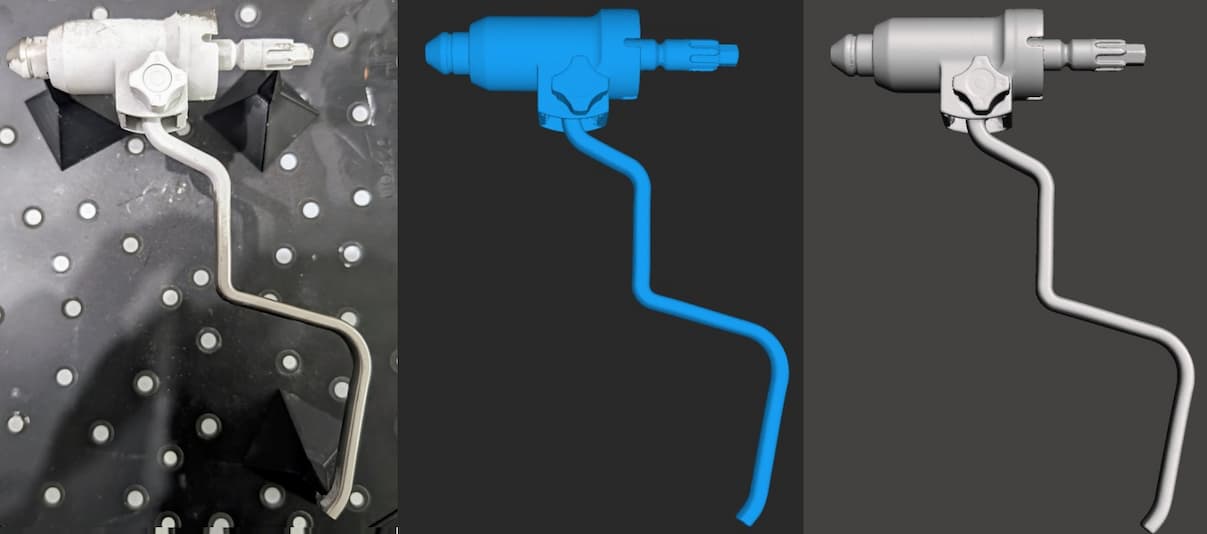
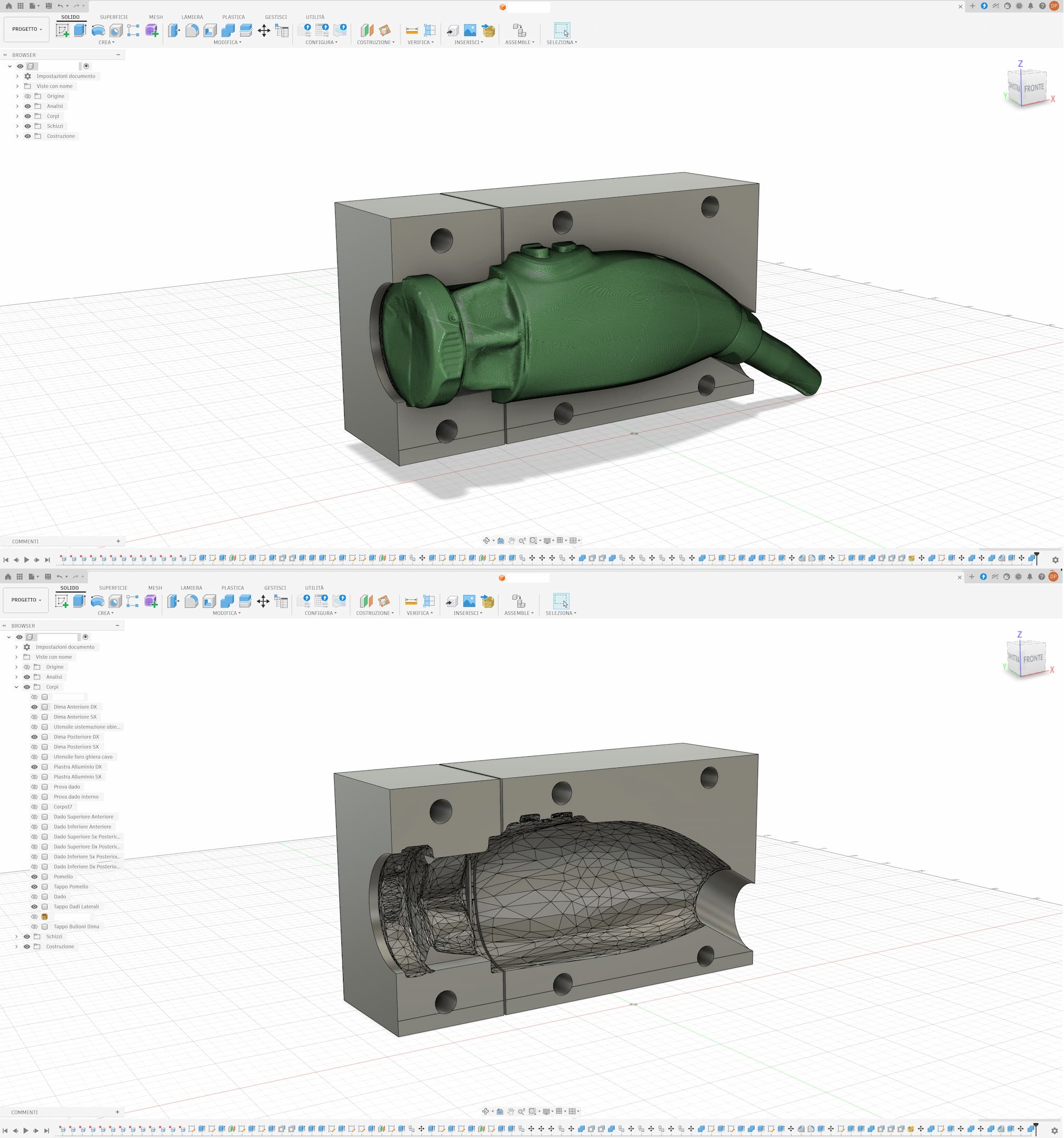
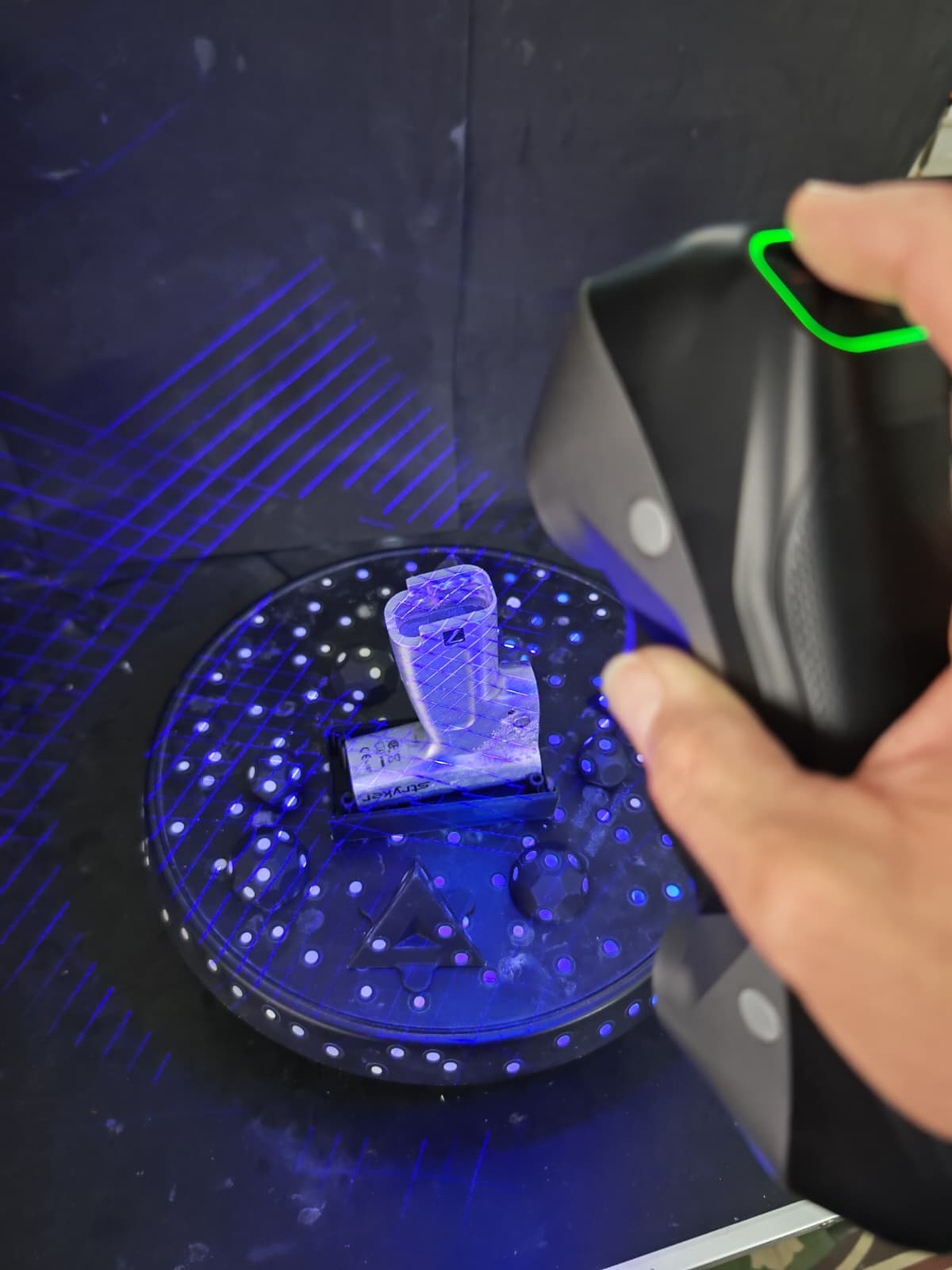
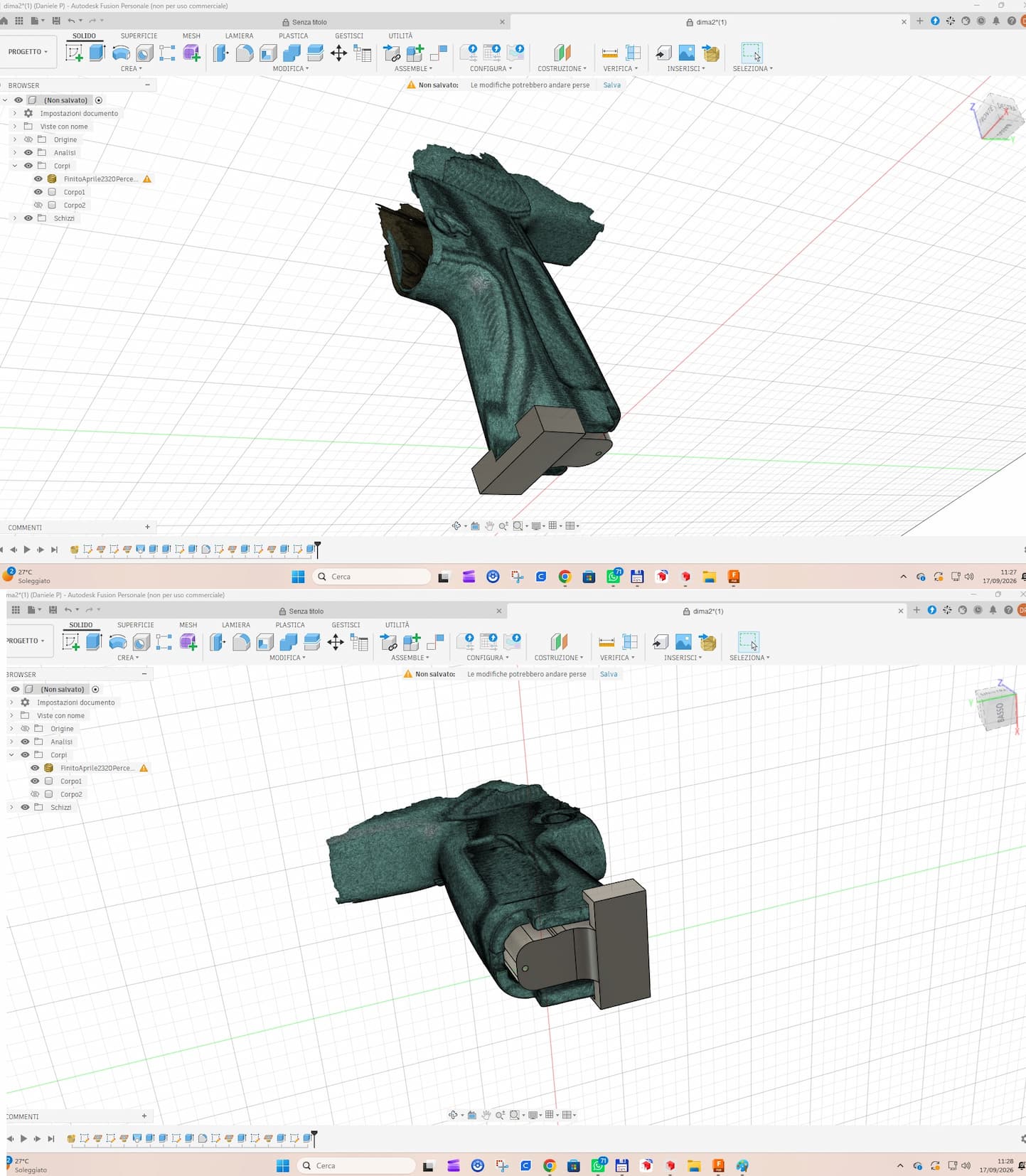
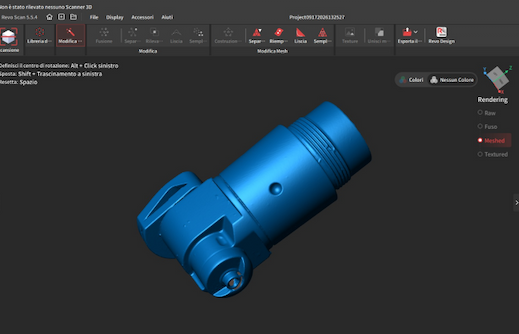
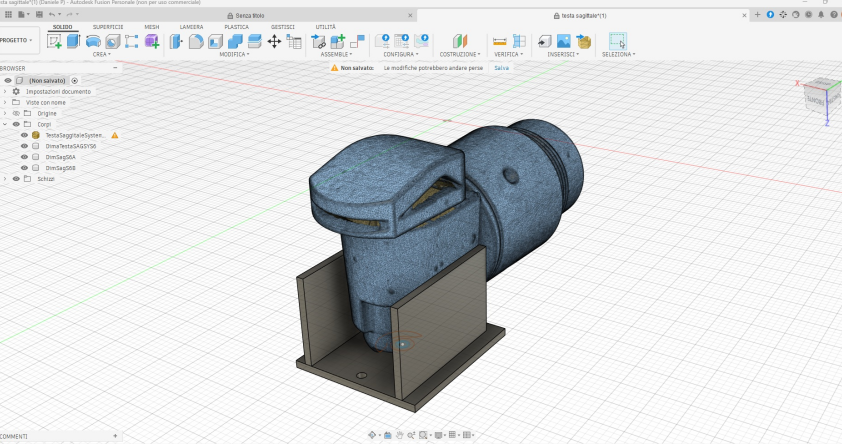
For Daniele Pulimeno, Technical Manager at a medical device company, 3D scanning has become a practical way to turn difficult repair jobs into workable engineering workflows. By combining scan data with CAD and 3D printing, he can create custom repair tools, reverse engineer replacement parts, and design fixtures that fit the actual equipment—not an approximation of it. |
|
Instead of spending hours manually rebuilding geometry from calipers, reference photos, and trial-and-error modeling, Daniele starts with the real shape of the object. That gives him a more reliable foundation for design, reduces repeated iterations, and speeds up the path from problem to functional repair solution. |
|
Why the Right Scanner Matters
|
|
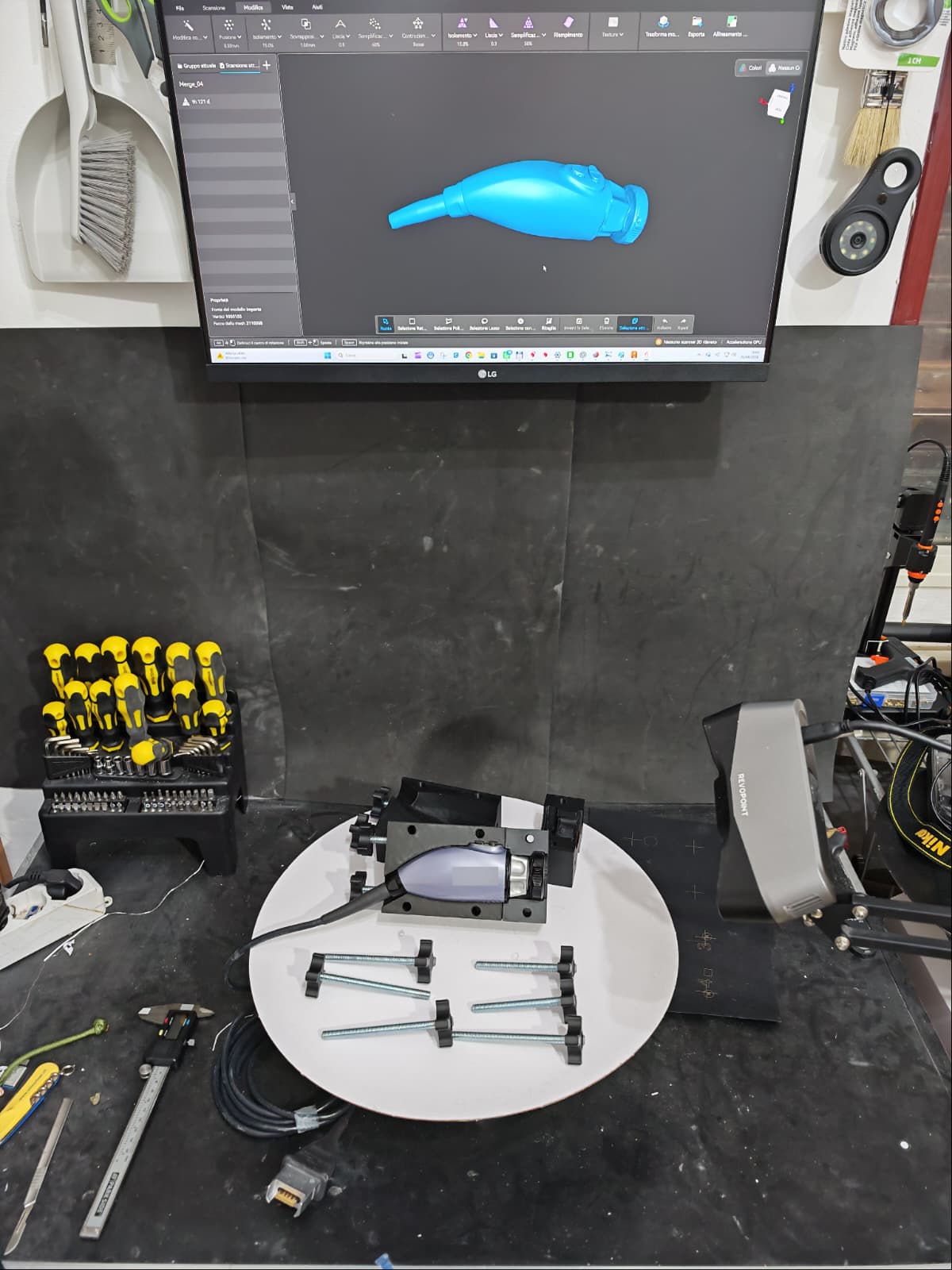
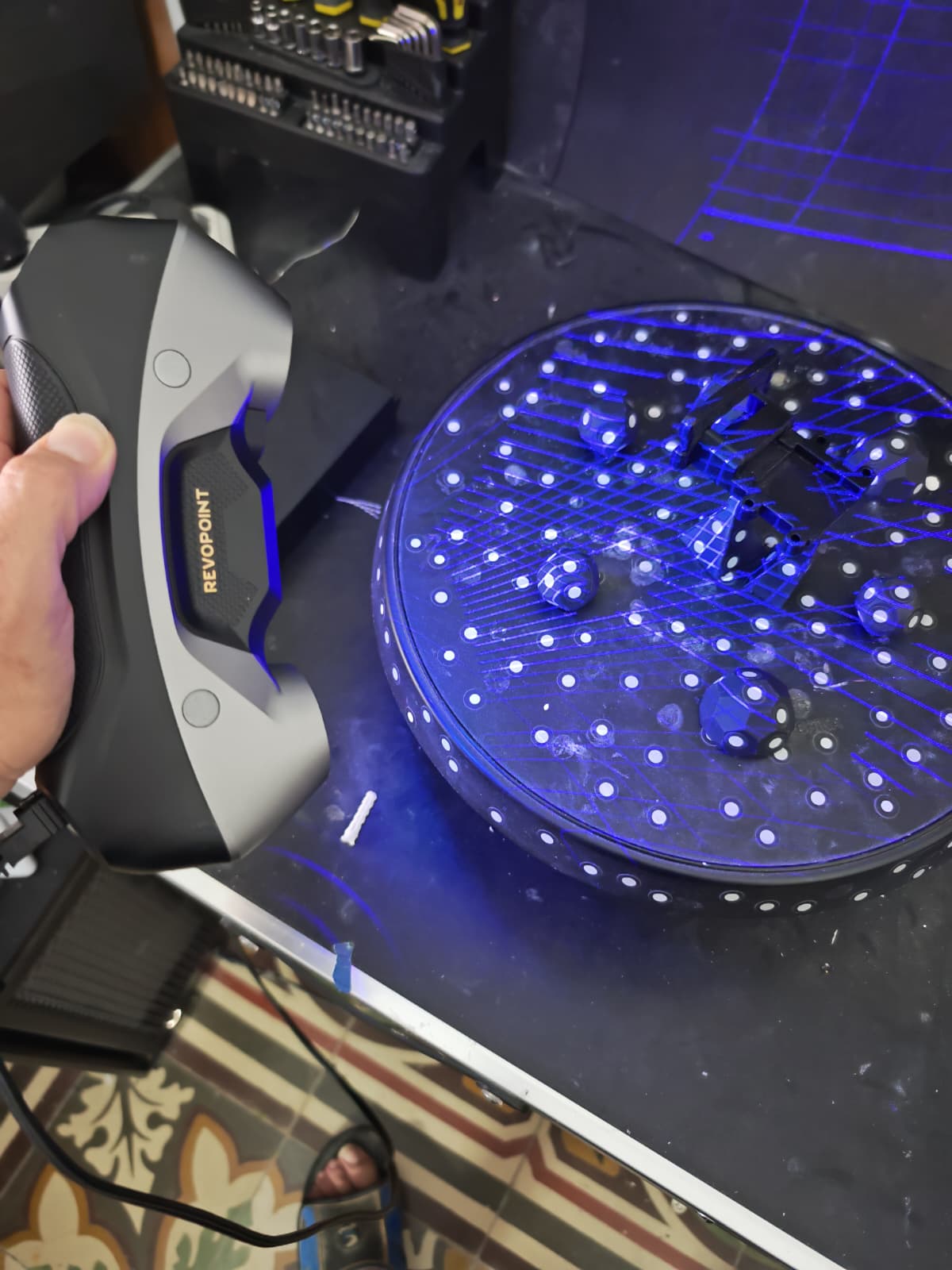
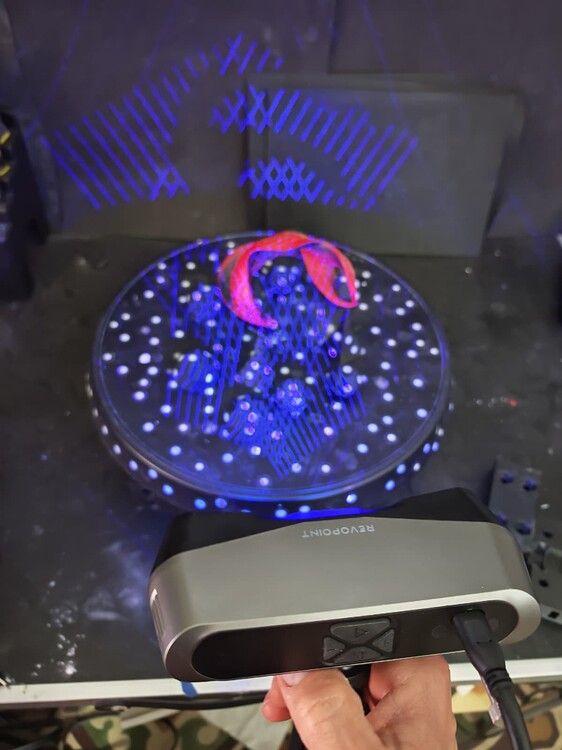
Using POP 4, MetroY Pro, and MIRACO, he can adapt the workflow to different repair scenarios. Whether the job requires scanning compact mechanical parts, capturing detailed interfaces, or working directly around equipment in a flexible repair environment, the scanner becomes the bridge between the physical object and a usable digital workflow. |
|
The result is a faster, more practical route to custom disassembly tools, replacement components, adapters, fixtures, and other repair-critical parts. |
|
Real Value in Real Repair Work
|
|
In projects like these, the scanner is not just capturing a model—it is helping make the repair possible. That is the real value of 3D scanning: fewer assumptions, fewer reprints, less manual reconstruction, and more confidence that the final part or tool will actually work on the real equipment. |
|
For repair teams, engineering teams, and service providers, this means more than saving time. It means being able to take on repair challenges that would otherwise be difficult, inefficient, or impossible with standard tools alone. It also means a clearer path from physical equipment to CAD, prototype, test, and final solution. |
|
If you want to build a more capable repair workflow around real-world geometry, now is the time to upgrade your toolkit. |
|
|
|
|